Discover the most beautiful archaeological and historical landmarks in Siwa Oasis
 Top Rated
The Great Sand Sea is one of the largest sand deserts in the world, extending from western Egypt to Libya, and is known for its enormous sand dunes extending to the horizon. The place is ideal for lovers of safari trips, sand skiing, and camping under the desert sky, and it also provides the opportunity to watch the sunset in a magical, wild atmosphere.
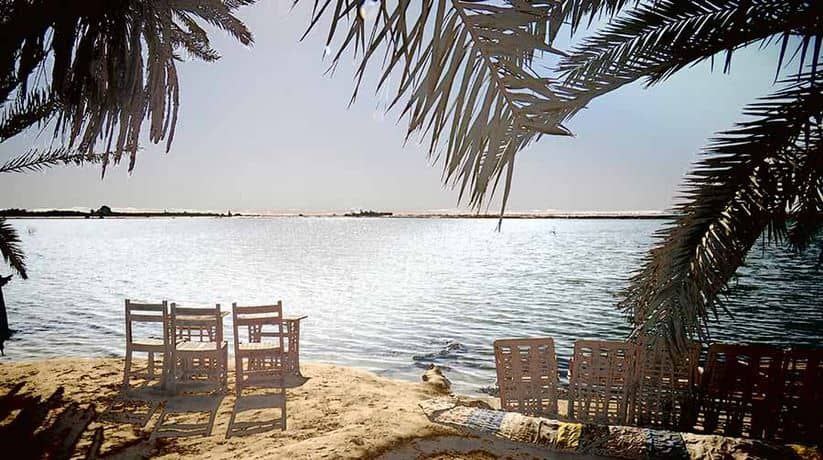
It is a natural spring located on Fatnas Island in the middle of the Siwa Salt Lake, west of the oasis. It is distinguished by its clear, fresh water emanating from 10 springs. The place is suitable for swimming, relaxing, and watching the magical sunset over the lake, and it is considered one of the most beautiful natural magic points in Siwa.
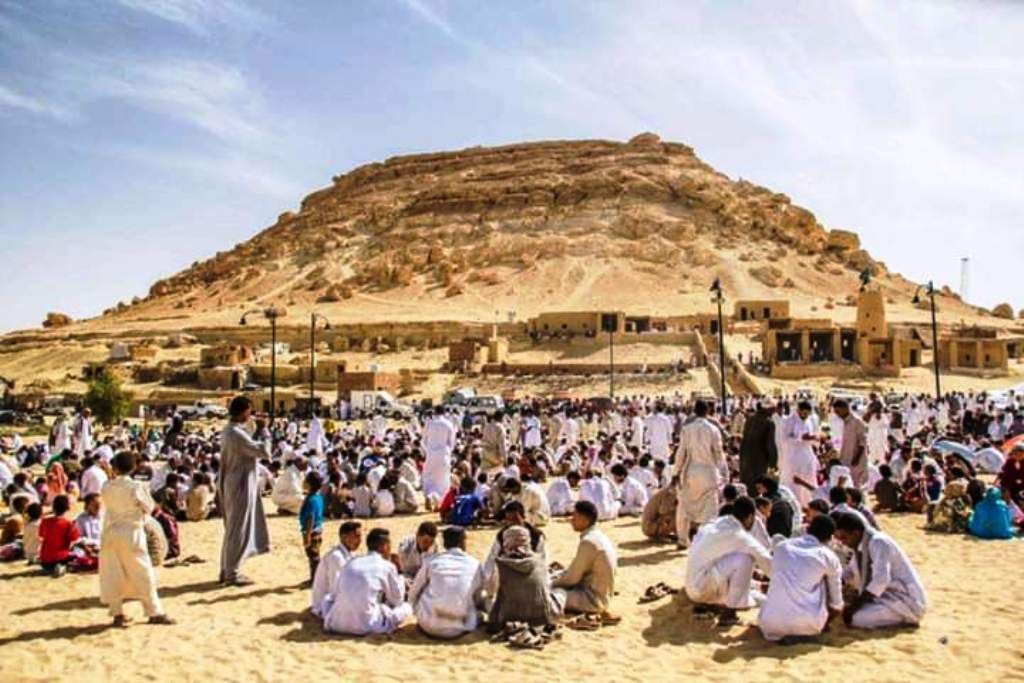
Mountain of Dakrour is the most ancient natural mountain in the Siwa Oasis. It is located about 3 km southeast of the oasis and is distinguished by its hot sand, which is believed to have therapeutic properties for joint pain and rheumatism through “sand baths.” It is also linked to annual social customs such as the Feast of Reconciliation, in which the people of the oasis gather on top of the mountain to celebrate and strengthen ties between the residents.
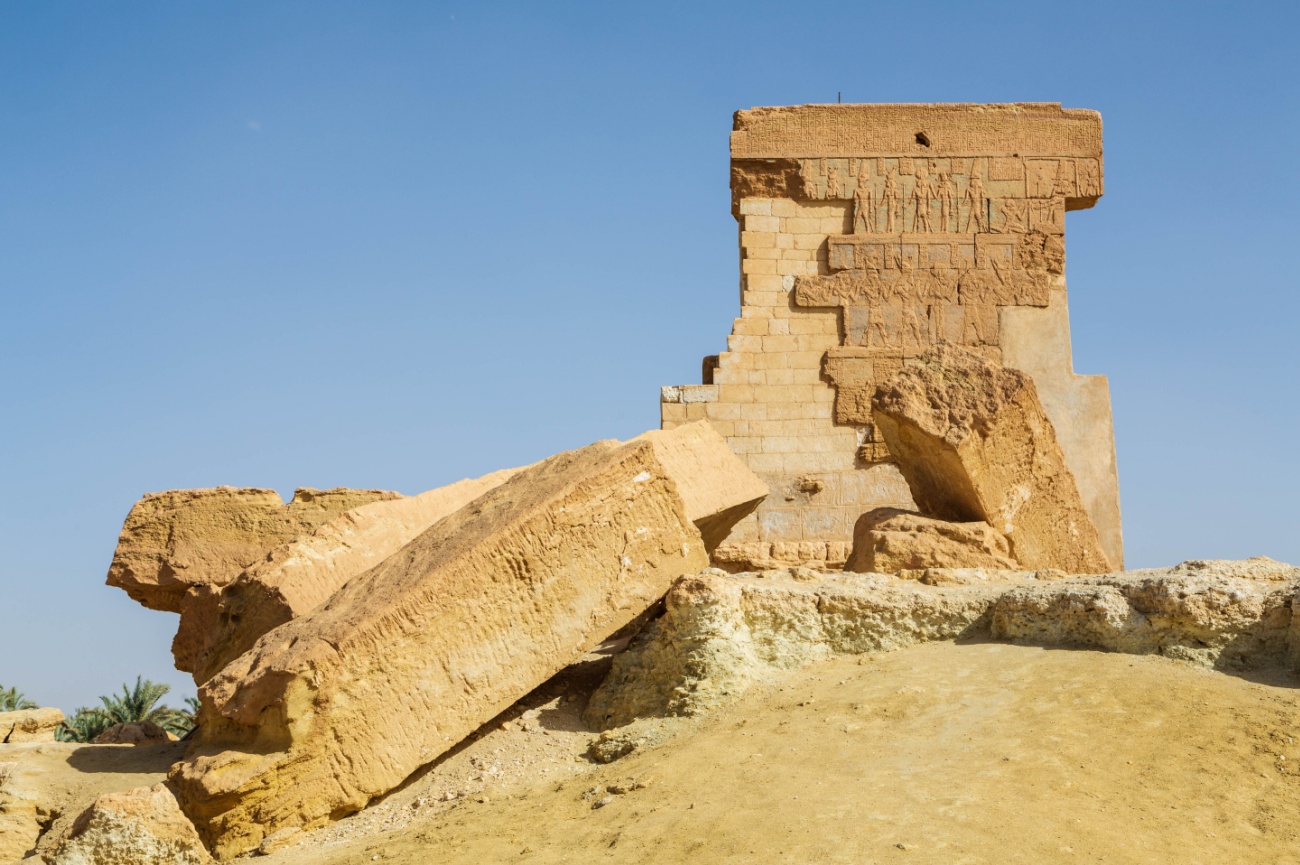
is an ancient temple in Siwa Oasis dating back to the Ptolemaic period and dedicated to the god Amun. Located near the Temple of the Oracle, it features remains of stone columns and inscriptions. The site offers a peaceful glimpse into Siwa’s ancient religious architecture.
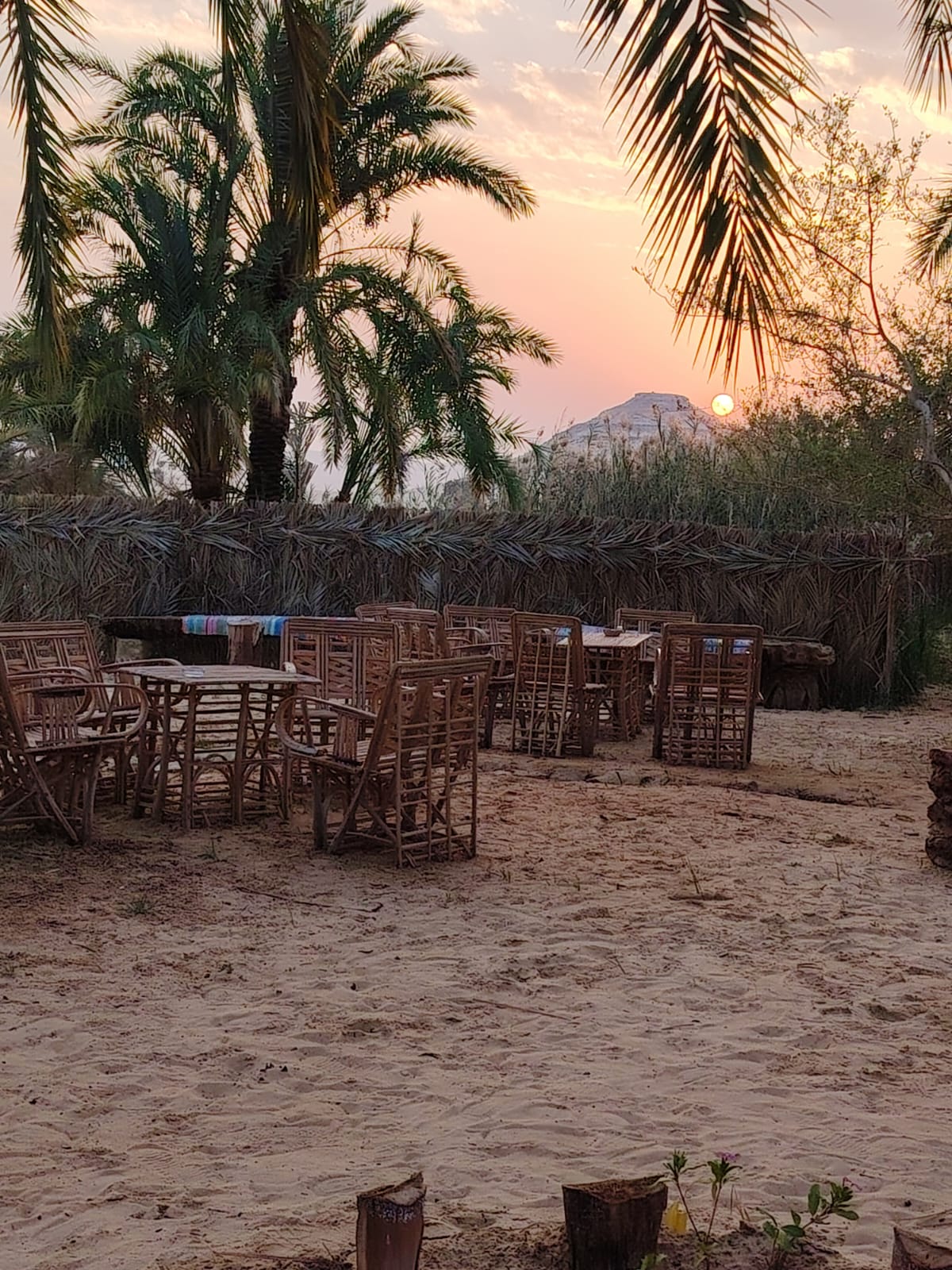
Bir Wahed is a natural spring located on the outskirts of the Great Sand Sea near Siwa. It is known for its hot water that resembles a natural jacuzzi and the nearby fresh water in which you can swim. The place is characterized by relaxing among the sand dunes and watching the desert sunset. To visit, it is preferable to use a 4×4 car because it is far from the oasis.
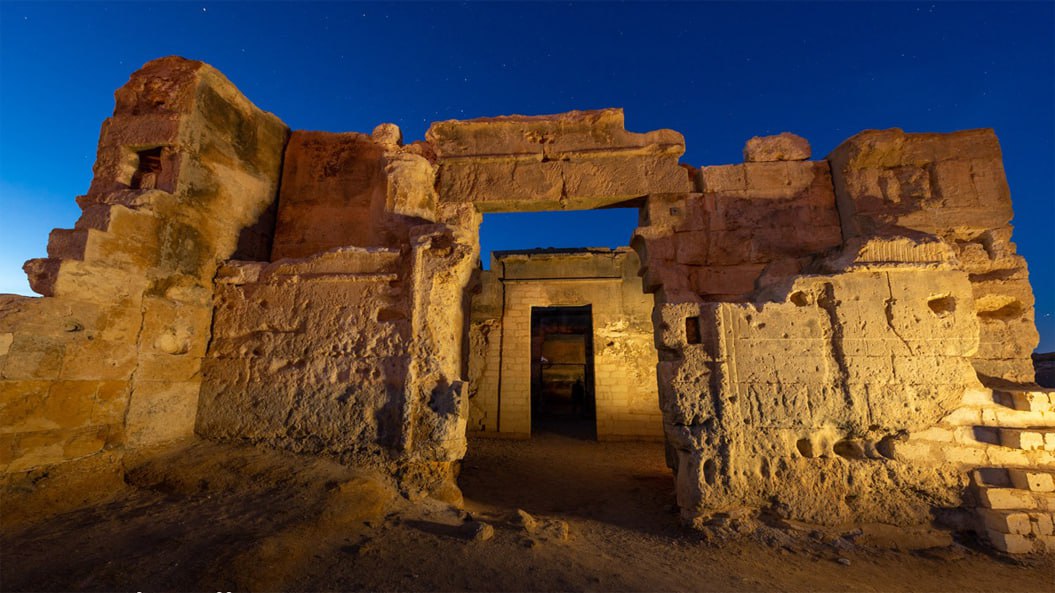
It is one of the most famous archaeological monuments in the Siwa Oasis, and is located in the Aghormi area on a high plateau overlooking the oasis. The temple gained its international fame after Alexander the Great visited it in 331 BC, where it is said that he received a prophecy from the priests of Amun that confirmed his status as ruler of Egypt. The place is distinguished by its unique historical character and peaceful desert view, and it is considered one of the most important cultural and historical attractions in Siwa.
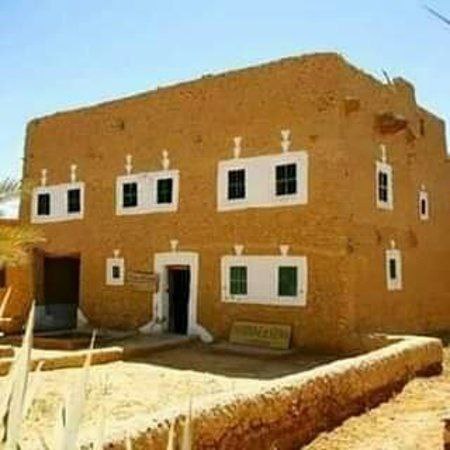
It is a model of traditional architecture in the Siwa Oasis, built from local materials such as karsheef and palm trunks. It reflects the ancient Siwi lifestyle and the population's adaptation to the desert climate. It includes heritage collectibles and tools that highlight the customs and traditions of the people of the oasis.
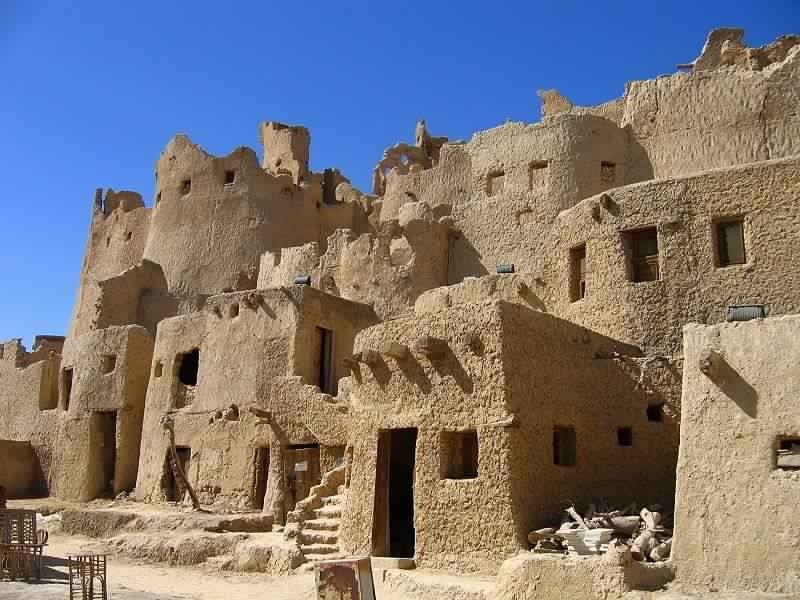
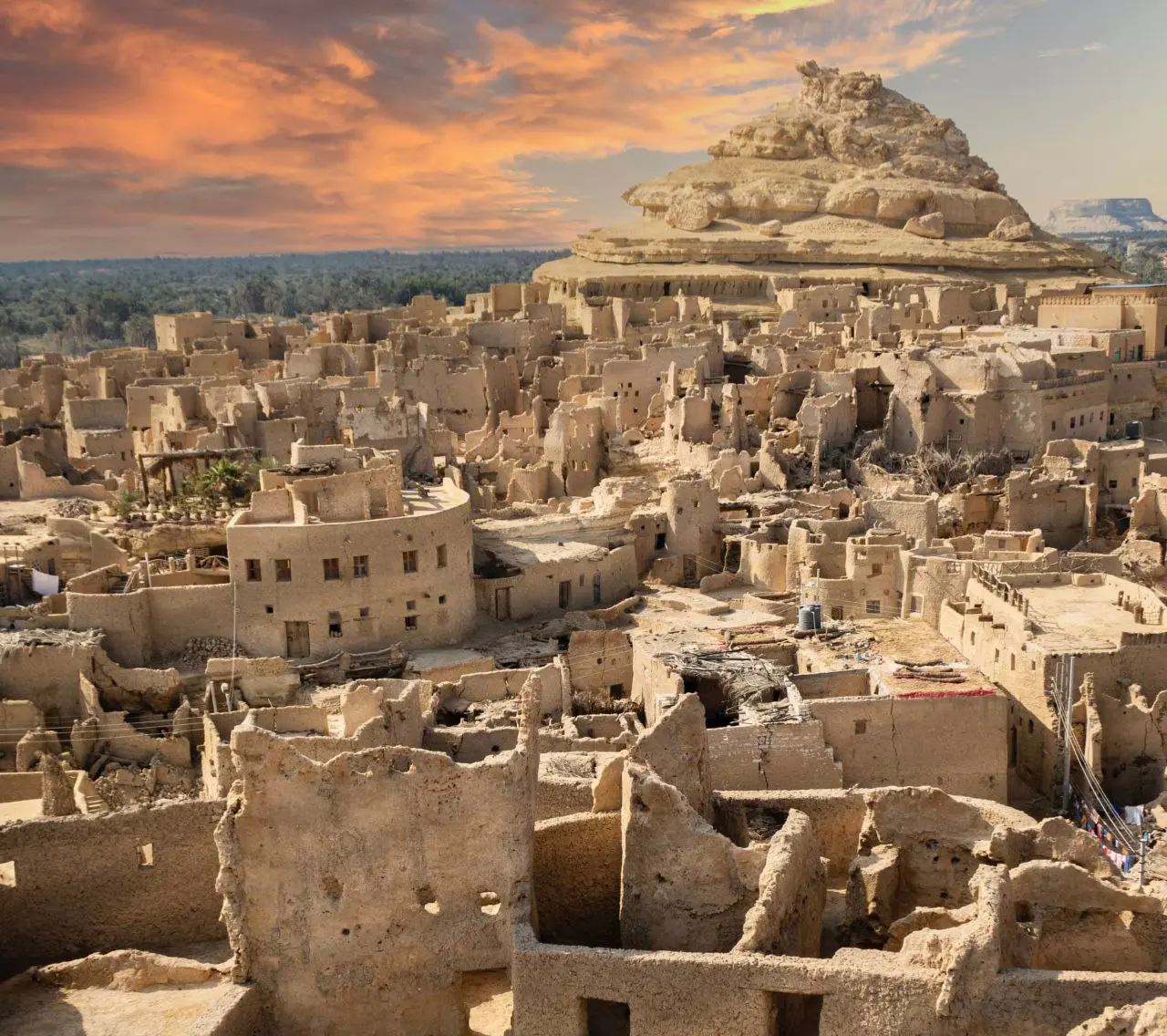
Shali Fortress is the ancient old town of Siwa Oasis, built in the 12th century using kershef (a mixture of salt and mud). It once housed homes, mosques, and wells within fortified walls. After heavy rains in 1926, it was largely abandoned and now stands as a historic landmark.
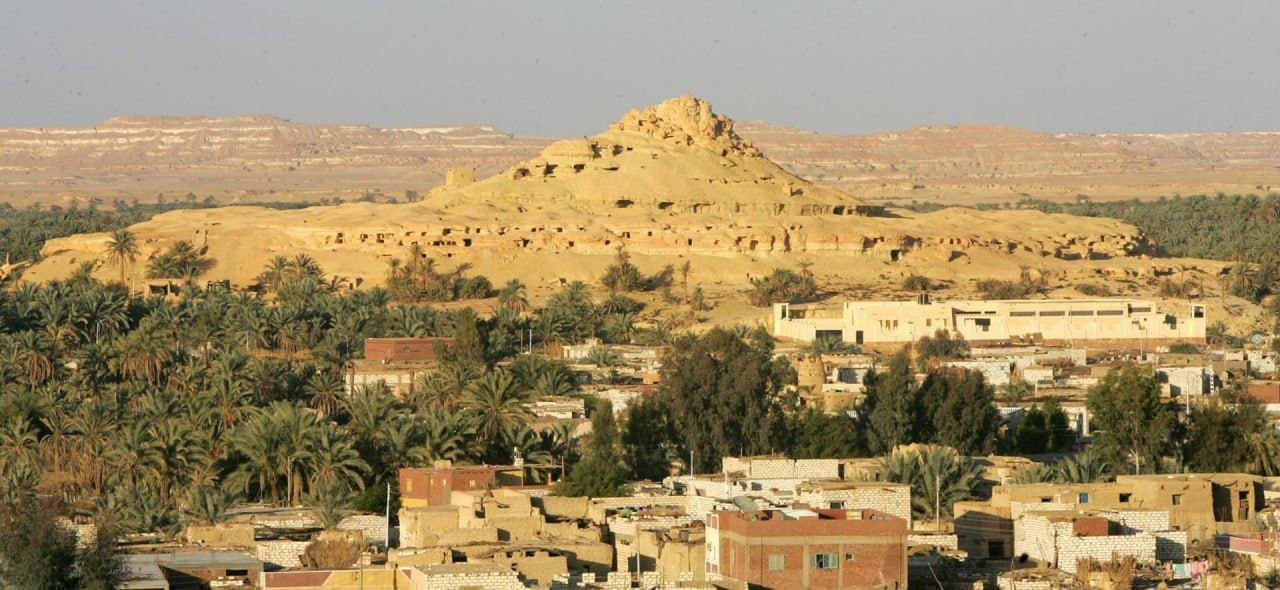
Is a unique archaeological site consisting of a conical hill riddled with thousands of rock‑cut tombs dating back to the Late Pharaonic and Greco‑Roman periods. It offers a fascinating glimpse into ancient burial practices and local history.
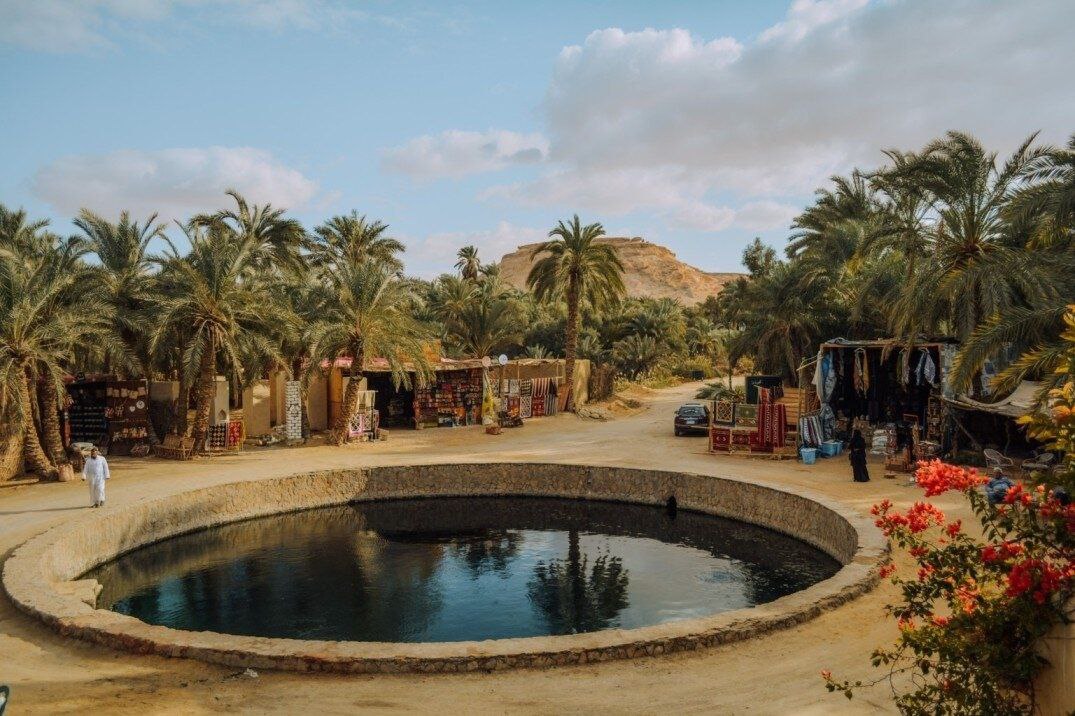
Cleopatra's Spring is a famous natural spring in the Siwa Oasis, in which Queen Cleopatra is said to have bathed. The water is clear and warm, surrounded by stunning desert scenery and palm trees, and is an ideal place to relax and swim in the heart of the desert.
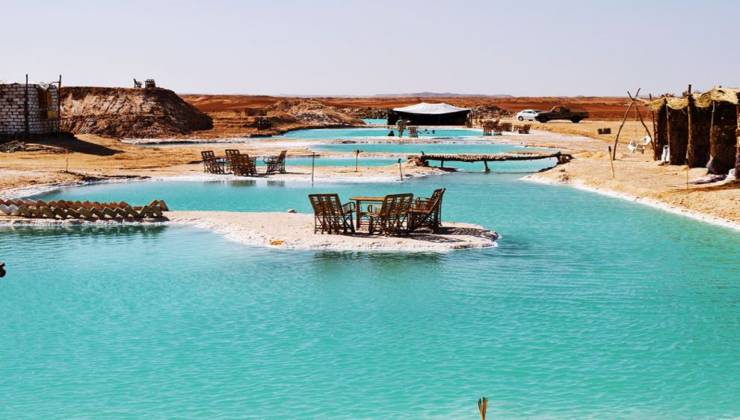
The salt lakes in Siwa are a group of natural salt lakes in the middle of the desert, famous for their water rich in minerals and their therapeutic properties for the skin. The surrounding saltwater landscape makes it an ideal place for photography and relaxation amidst the desert nature.
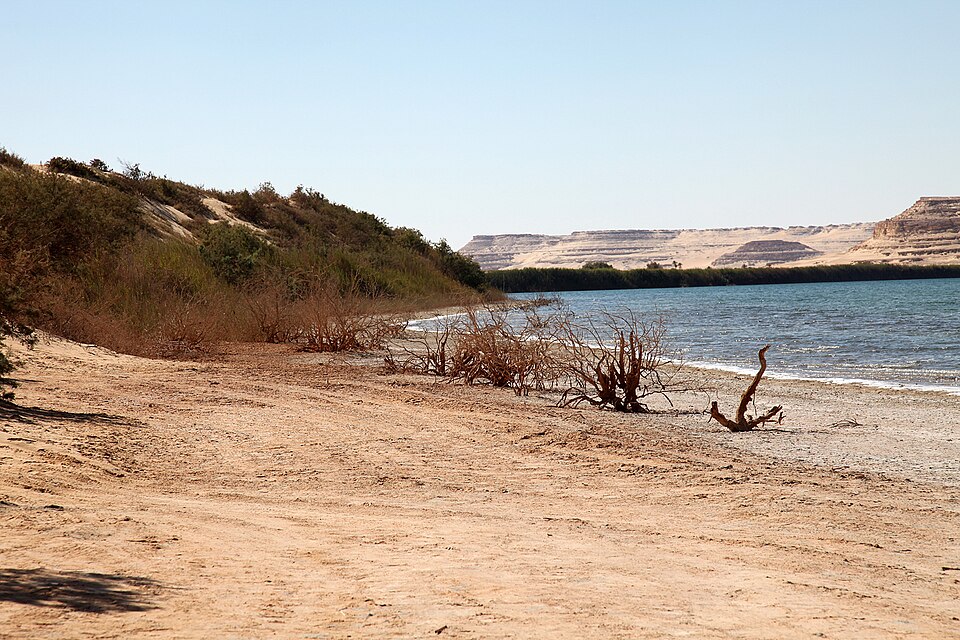
Lake Shaita is one of the most prominent natural landmarks in Siwa Oasis. It is located on the outskirts of the Great Sand Sea, west of the oasis. It is characterized by its calm waters and charming natural views that combine the lagoon, palm trees, and sand dunes extending to the horizon. The lake is home to many migratory birds, making it a distinctive destination for nature and photography lovers. The surrounding area provides unique scenes that reflect the beauty of the desert and the charm of Siwa Oasis, making it one of the destinations worth visiting and enjoying its tranquil atmosphere and stunning views.
