
History of Siwa
Siwa Oasis
Located in the heart of the Western Desert of Egypt, near the Libyan border, Siwa is one of the most distinctive places in terms of history, culture, and nature. Despite its geographic isolation, Siwa played an important role in ancient and medieval Egyptian history and has preserved its unique identity for thousands of years.
Siwa in Ancient Times
Siwa's history dates back to prehistoric times, when humans first settled here thousands of years ago due to the availability of water from natural springs and relatively fertile soil in the middle of the harsh desert. In Pharaonic times, the oasis was known as "Sekht-am" or "Land of Palms."
However, the most significant feature of Siwa during this period was the Temple of Amun, a religious center of great importance. Dedicated to the god Amun, the temple was one of the most famous oracles in the ancient world, where people from various regions came to consult priests about matters of war, politics, and the future.
One of the most notable historical events associated with this temple is the visit of Alexander the Great in 331 BCE. He came to Siwa to confirm his divine lineage according to the prevailing beliefs of the time. This visit further increased the oasis's global fame.
Siwa in the Greek and Roman Eras
Following Alexander the Great's conquest of Egypt, Siwa became part of the Hellenistic world and later fell under Roman rule. During this period, the Temple of Amun continued its religious role, and the oasis experienced relative stability.
While Siwa was influenced by Greek and Roman cultures, it retained its cultural and religious distinctiveness due to its geographic remoteness and difficult accessibility. Agriculture, especially date palm and olive cultivation, remained a cornerstone of the inhabitants' lives.
Siwa in the Islamic Era
With the arrival of Islam in Egypt during the 7th century CE, Siwa became part of the Islamic state. However, it remained far from major urban centers, which limited the impact of broader political changes on the oasis.
The people of Siwa gradually embraced Islam, developing distinctive religious and social traditions that blend local customs with Islamic teachings. The inhabitants also preserved their own language, Siwi (a Berber language), which is still spoken to this day.
Old Shali: The Historic Heart of Siwa
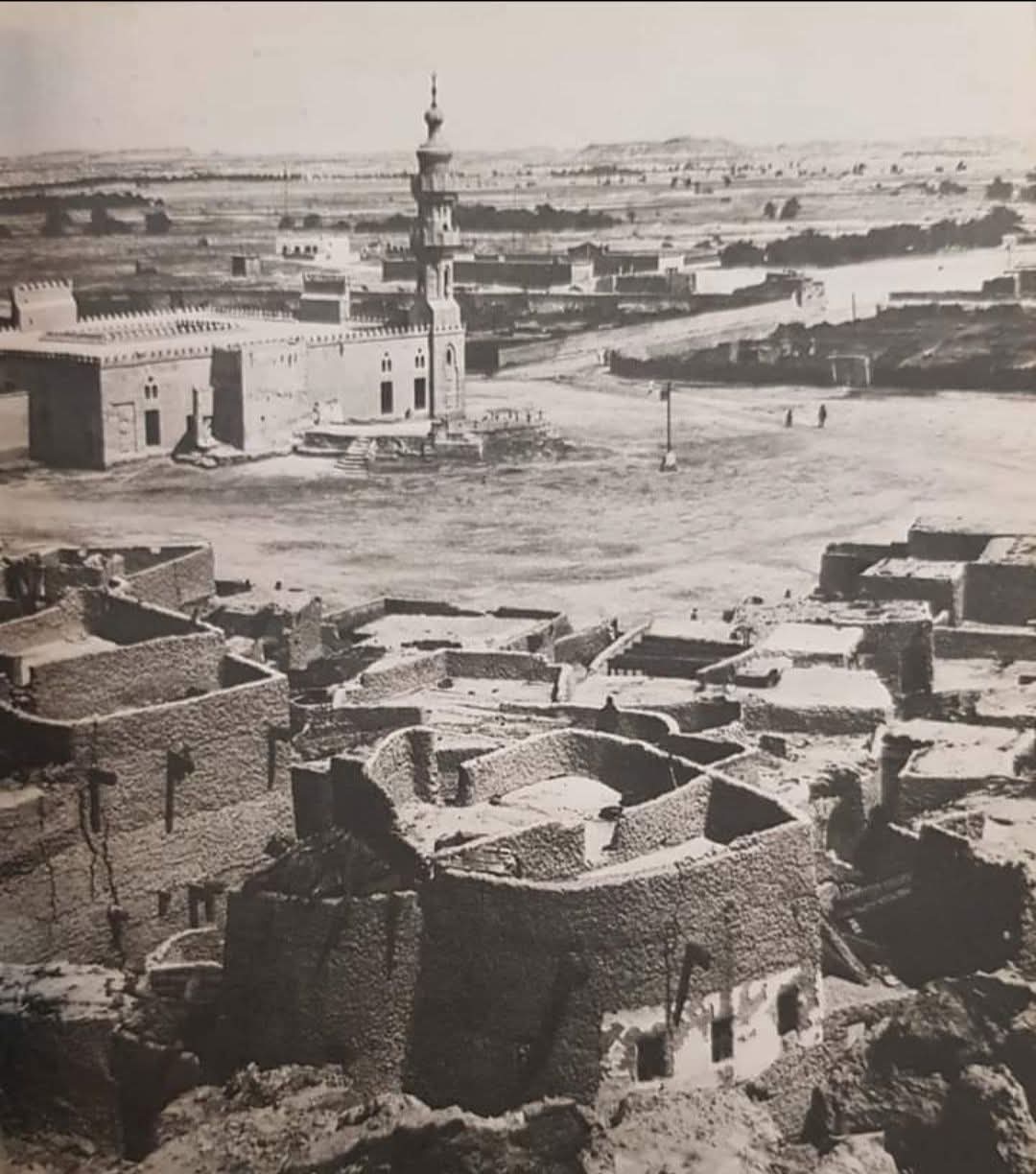
One of Siwa's most prominent historical landmarks is the town of Shali, a mud-brick fortress built in the 13th century CE. Shali served as the main residential center for the oasis's inhabitants and was designed as a cohesive structure to protect residents from invasions and environmental factors.
Shali was constructed using "kershef," a mixture of clay, salt, and stone, giving it a unique architectural character. Although large parts have eroded due to rare rainfall, it remains a testament to the ingenuity of local architecture.
Siwa in the Modern Era
Siwa remained relatively isolated until the 20th century, when interest in it gradually increased, especially after improvements in roads and transportation. This has helped introduce modern services while preserving the oasis's traditional character.
Siwa.. the fragrance of the past in the heart of the present